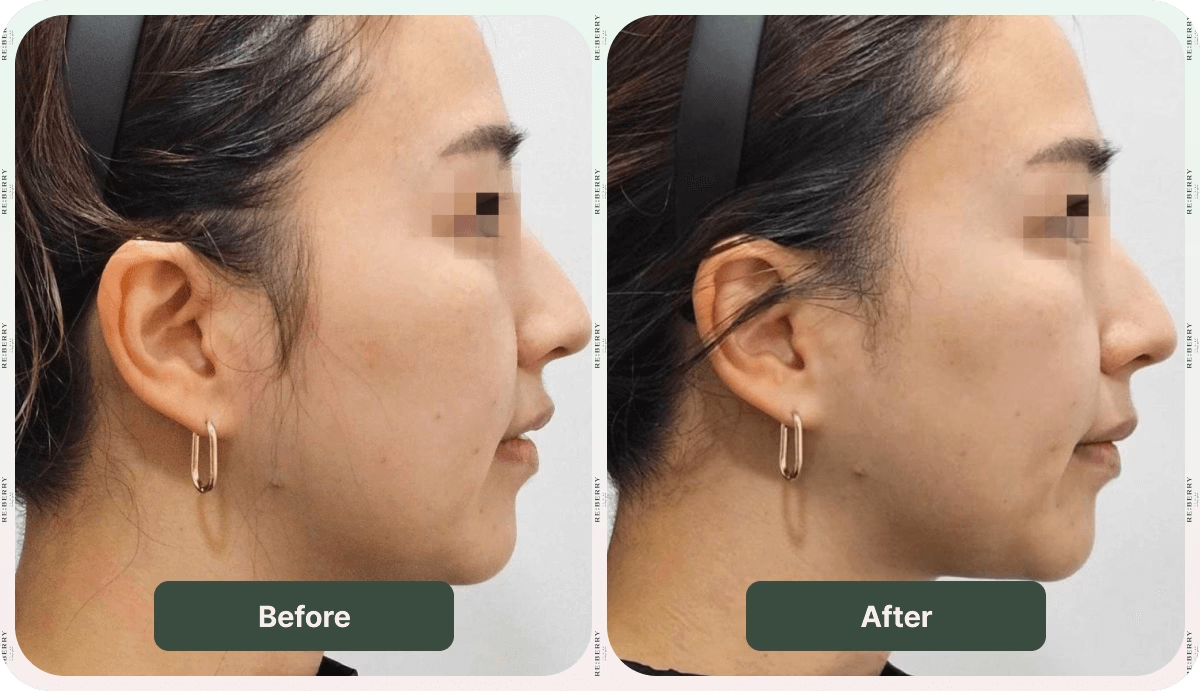
A facelift (rhytidectomy) is a cosmetic procedure that tightens sagging skin and underlying tissues to restore a more youthful appearance to the face and neck. While skilled surgeons aim for natural-looking results, certain surefire signs like changes in facial features, skin texture, and surgical markers can help you tell if someone has had a facelift.
You can also identify if someone had a facelift through irregular hairline patterns, pixie ear deformities near the earlobes, and unnatural tightness in the jawline and cheeks, according to Dr. Seung Jae Daek, chief medical director at Reberry Clinic, Myeongdong. These signs also become more apparent when patients have undergone aggressive skin tightening or when proper surgical techniques weren’t followed during the facelift.
What Are the Telltale Signs of a Facelift?
Facelift procedures often leave behind subtle but noticeable signs that reveal surgical intervention. From visible incision scars to unnatural facial expressions, these telltale clues can make it easier to spot when someone has undergone cosmetic enhancement.
Here are the signs that a person had a facelift:
1. Noticeable Incisions
Facelift incisions typically run from the hairline at the temples, curve around the ears, and extend into the lower scalp behind the ears. When a surgeon places these incisions incorrectly or uses excessive tension during closure, the scars become visible as raised, widened, or discolored lines on the face. For example, media personality Katie Price has been in the spotlight for her cosmetic procedures, with reports often highlighting visible scarring and surgical marks. Properly executed incisions should blend seamlessly with natural facial contours and hairline patterns.
2. Pixie Ear
Pixie ear or the bat ear occurs when the earlobe becomes attached to the facial skin and pulls forward, creating an unnatural pointed appearance. A study published in the Surgery Journal showed that about 5% of earlobe inset cases display a recognizable sign indicating a facelift. This deformity develops when surgeons apply too much tension to the skin around the ears during facelift surgery, causing the normally free-hanging earlobe to adhere to the cheek. The condition is immediately recognizable because natural earlobes hang separately from the face with clear definition.
3. Unnatural Facial Expressions
Overly tight facial skin restricts normal muscle movement, resulting in a perpetually surprised or expressionless appearance. Patients with this complication cannot form natural smiles, frowns, or other facial expressions because the skin lacks sufficient elasticity. The face appears mask-like, with limited animation during conversation or emotional responses.
4. Temporal Brow Lift
A temporal brow lift creates an artificially elevated eyebrow position that appears unnaturally arched or peaked at the outer corners. This occurs when surgeons overcorrect sagging eyebrows or use improper lifting vectors during the procedure. The eyebrows sit higher than their natural resting position, giving the face a constantly startled expression.
5. Frozen Face Appearance
Frozen face syndrome results from over-tightening facial muscles and skin, eliminating natural movement and expression lines. The face appears rigid and immobile, lacking the subtle animations that characterize normal facial expressions. Patients develop a waxy, artificial appearance that immediately signals surgical intervention rather than natural aging.
Which Specific Areas Should You Observe?
To spot the signs of a facelift, pay close attention to the hairline, ears, neck, and jawline, as well as changes in overall skin texture.
Here are the specific areas you should observe:
1. Hairline
The hairline can reveal facelift surgery through irregular patterns, elevated sideburns, or unnatural hair direction changes around the temples. Surgeons must carefully preserve natural hair growth patterns when making incisions, and poor technique results in visible bald spots or stepped hairlines. You should look for areas where hair appears transplanted or where the natural hairline elevation seems inconsistent with aging patterns.
Ears can also show multiple facelift indicators, including attached earlobes, visible facelift scars in front of or behind the ears, and unnatural ear positioning. The transition from ear skin to facial skin may appear abrupt with different textures or colors, especially when healing is incomplete. Properly executed facelift incisions should follow the ear’s natural contours without creating obvious demarcation lines.
3. Neck and Jawline
The neck and jawline also show facelift results through unnaturally sharp definition, absence of typical aging signs like turkey neck, or visible pulling effects. A neck lift is often done as part of a facelift, creating overly smooth neck contours that don’t match natural aging patterns. You should observe whether the jawline appears artificially defined or if the neck skin seems too tight for the person’s age.
4. Cheeks and Midface
Cheeks can also reveal facelift surgery through over-elevation, unnatural fullness, or asymmetrical positioning that creates a windswept appearance. The midface may appear pulled laterally rather than naturally lifted. Look for cheek positioning that doesn’t seem to look natural for facial anatomy or aging patterns.
5. Skin Texture
Facelift can also change skin texture, including unnaturally smooth surfaces, the absence of fine lines appropriate for age, or stretched appearances across facial areas. Post-surgical skin often lacks the natural variation in texture and tone that characterizes normal aging. Check whether the skin appears artificially uniform or if certain areas seem inconsistent with the person’s overall age and skin condition.
What Are the Common Misconceptions About Cosmetic Surgery?
Many people have wrong assumptions about identifying a facelift that can lead to misidentification or missed signs altogether. Understanding these misconceptions helps you accurately assess whether someone has undergone facial rejuvenation procedures.