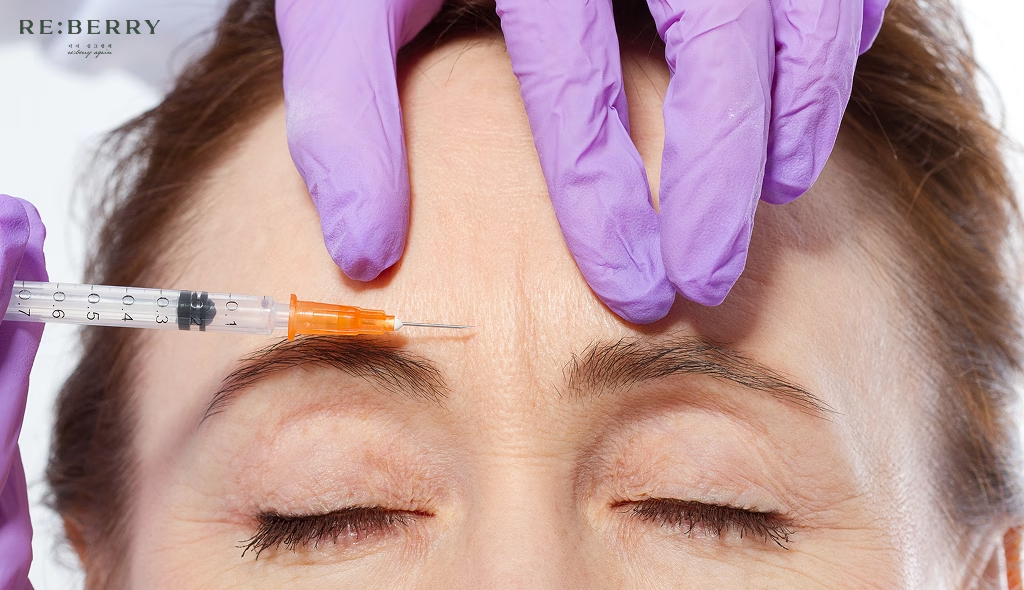
The visible signs of aging in your 50s are more pronounced and often noticeable even when your face is at rest. The deeper fine lines and loss of elasticity make your overall facial appearance look more tired and aged. Botox can effectively address these expression-related wrinkles, but the timing and frequency are critical. Scheduling Botox too soon or too late at this age can affect your results. So, you may wonder how often you should get Botox in your 50s?
In your 50s, the 3 to 4 month interval is recommended for the treatment, but it is important to note that the timing depends on factors such as your muscle activity, metabolism, and personal aesthetic goals. At this stage, Botox primarily focuses on correcting existing wrinkles and supporting overall facial rejuvenation.
In this guide, we will explain how Botox works in your 50s, the ideal frequency for repeated treatments, the areas commonly treated, and tips to make your results last longer.
How Does Botox Work on Your Skin in the 50’s?
In your 50s, signs of aging are static, meaning they’re visible even when your face is at rest. The skin naturally loses elasticity and collagen, and years of repeated muscle movements cause fine lines, wrinkles, and sagging. Botox works by temporarily blocking acetylcholine, the neurotransmitter responsible for sending nerve signals to facial muscles, specifically those in the forehead, glabella, and eye-contour areas. When injected, it temporarily relaxes the underlying muscles responsible for dynamic wrinkles, such as forehead lines, frown lines, and crow’s feet.
Additionally, in your 50s, Botox acts as a maintenance treatment, helping correct existing wrinkles and support overall facial rejuvenation. It softens deeper lines, refreshes the face, and restores natural facial balance. While Botox is highly effective for managing expression-related wrinkles, it cannot restore lost facial volume. So, in your 50s, dermal fillers or other rejuvenating treatments can be combined with Botox to add volume and enhance overall results. With consistent treatments, your skin can maintain a smooth and youthful appearance.
How Often To Get Botox In Your 50s?
In your 50s, you should generally get Botox every 3 to 4 months to maintain smooth skin and manage deepening wrinkles effectively. While metabolism is also considered for the frequency of the Botox injection, 3 to 4 times per year is the standard timing for the treatment. This interval allows the muscles to respond properly to the treatment, giving the skin time to adjust gradually to each session. As the effects of Botox are temporary, following the proper routine prevents lines from becoming more pronounced and ensures that results remain natural and balanced.
However, the exact timing can vary depending on factors such as muscle strength, skin elasticity, lifestyle, and aesthetic goals. If you wait longer than the recommended interval, the effects wear off gradually, while getting treatments too frequently may lead to over-treatment and an unnatural appearance. So, maintaining a consistent schedule allows your provider to track facial changes, adjust injections as needed, and achieve long-lasting results.
How Many Units of Botox Are Typically Needed in Your 50s?
In your 50s, you typically need around 40 to 50 units of Botox, but the exact number of units can vary depending on factors such as muscle strength, wrinkle depth, and the overall condition of your skin. At this stage, treatments focus on softening deeper, more pronounced lines, so the dosage is carefully adjusted to achieve balanced and natural-looking results, while maintaining natural facial movement. Individuals in their 50s often require slightly higher units due to reduced skin elasticity.
Common treatment areas and typical units required per session:
Furthermore, it is important to note that these are just the general Botox units required in common areas. Using higher Botox units can lead to the risk of a frozen or uneven look. So, to achieve an effective and natural result, your dosage must be determined by a qualified professional or the provider.
Before and After results of Botox
What Are The Key Areas To Treat With Botox At 50s?
In your 50s, several areas of the face show pronounced signs of aging. The neck and jawline lose firmness and definition, while the forehead and glabella areas form deeper lines and wrinkles. Botox can effectively address these concerns, but understanding which areas respond well to the injection helps to achieve the natural and balanced look. Below are the key areas where Botox is most commonly and effectively used at 50s:
Glabellar Lines (Frown Lines)
Glabellar lines, also known as “11s,” are the vertical wrinkles that form between the eyebrows. These lines can make the face appear tired or stressed even when at rest. Botox relaxes the corrugator and the procerus muscles, responsible for frown lines, reducing their movement and softening the wrinkles. With carefully placed injections, the area can look rejuvenated without freezing natural expressions.
Crow’s Feet
Crow’s feet are the fine lines that appear at the outer corners of the eyes. They form due to repeated movement of the orbicularis oculi muscles during smiling or squinting, combined with thinning skin and loss of elasticity. Botox relaxes these muscles, which softens the wrinkles and smooths the skin around the eye contour areas, resulting in a youthful and refreshed appearance.
Forehead Lines
Forehead lines are horizontal wrinkles that appear across the forehead and become more prominent with age. They develop due to repeated lifting of the eyebrows and gradual loss of skin elasticity. Botox targets the frontalis muscle to relax its movement and smooth the lines, reducing the appearance of a tired or worried expression.
A Botox brow lift involves subtly lifting heavy or drooping eyebrows to open up the eye area. This treatment can improve the appearance of tired-looking eyes and enhance overall facial symmetry. Over time, it can help prevent further sagging and maintain a rejuvenated eye area.
Gummy Smile
A gummy smile occurs when an excessive amount of gum tissue is visible above the upper teeth while smiling. This happens due to overactive muscles around the upper lip, such as the levator labii superioris, combined with natural changes in muscle tone and skin elasticity over time. Botox softens the appearance of the gums without restricting natural lip movement or expression and creates an aesthetically pleasing smile.
Neck and Jawline
The neck and jawline are common areas that lose definition over time, often resulting in sagging skin and jowls. These changes form due to a combination of weakened platysma muscles, overactive masseter muscles, and the natural loss of skin elasticity. Botox softens the jaw contour, restores balance to the lower face and neck while preserving natural movement and expressions.
How safe is Botox for people in their 50s?
Botox is generally considered safe and effective for people in their 50s. At this stage, treatment can safely address wrinkles, sagging, and other age-related changes without affecting natural expressions or muscle function. Botox also has a proven safety record across all age groups. The side effects are generally mild and temporary, such as slight bruising, redness, or swelling at the injection site, and they usually resolve within a few days.
However, safety also depends on a thorough assessment and full disclosure of your medical history to the practitioner. If you have any medical conditions, allergies, or have had any cosmetic procedures, it is important to share this information with your practitioner before treatment. This detail allows the practitioner to customize the Botox injections, including dosage and placement, to suit your individual needs and ensure safe, effective results.