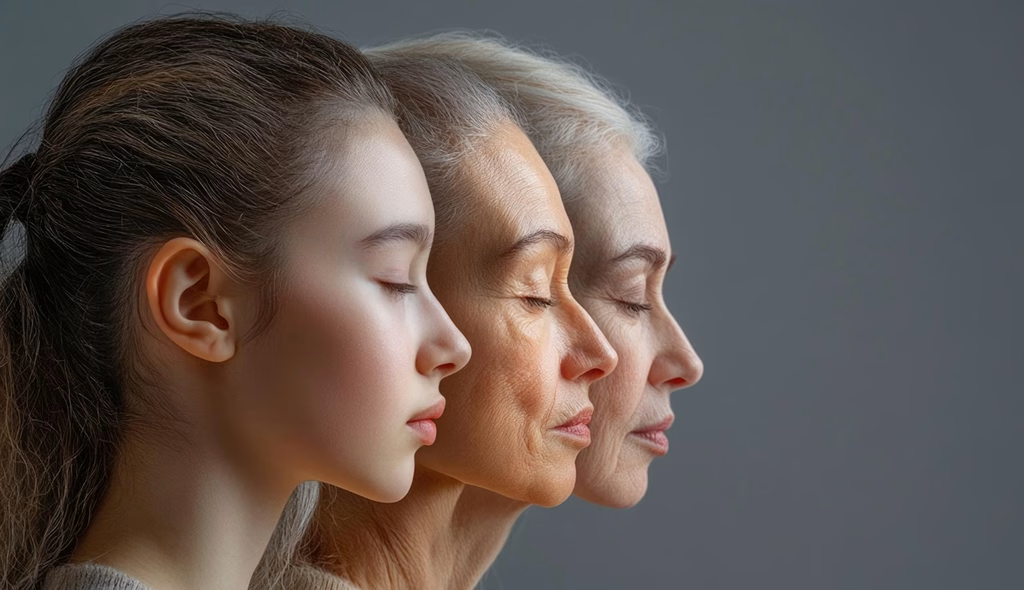
Facelifts provide firm skin and youthful facial contour, lifting sagging facial skin and underlying tissues, but it is not permanent. You can only have its benefits for a certain period of time. So, the common question that comes to everyone’s mind is, How long does a facelift last? According to research done by the University of Utah, the result of a facelift lasts for up to 10 years.
However, the longevity of facelift treatment results actually depends upon the type of facelift you get. In this article, you will learn how long the results of different facelift treatments last, what affects the longevity of facelift results and how to maintain a long-lasting facelift result. Together, you will also understand how often it is best to have a facelift treatment, in order to achieve your desired aesthetic goals.
Why Facelift Results are not Permanent?
Facelifts reverse the aging signs by tightening underlying muscles, removing excess skin and repositioning soft tissues for a while, but they cannot stop the natural aging process of your body. Despite a facelift, the skin continues to lose collagen and elastin fibers, which are responsible for its firmness and elasticity. This natural decline leads to new sagging over time. The continuous pull of gravity on facial tissues eventually causes them to droop again, whereas the genetic and cellular processes that lead to aging continue regardless of surgical intervention.
What Is the Longevity of Different Facelift Types?
Longevity of facelift results actually depends upon the type of facelift treatment you get. Different kinds of facelift treatment, such as Liquid Facelift, SMAS, facelift, Onda Lifting, Titanium lifting and more, have their own duration of showing effect.
1. Liquid Facelift
According to Dr. Seungjae Baek of Reberry Clinic at Myeongdong, a liquid facelift typically lasts 12 to 18 months before requiring touch-up treatments. This non-surgical procedure uses dermal fillers and neurotoxins to restore volume and smooth wrinkles without incisions. The results fade gradually as your body naturally absorbs the injectable substances. Most patients schedule maintenance appointments every 6 to 12 months to preserve their refreshed appearance.
2. Thread Lift
According to the International Centre for Cosmetic Medicine, thread lifts generally last around nine months and, in rarer cases, up to three years. The dissolvable threads stimulate collagen production while providing immediate lifting, but the threads themselves dissolve within 6 to 8 months. The collagen boost continues to give some skin-tightening effects even after thread dissolution. This minimally invasive option offers shorter longevity compared to surgical alternatives.
3. Onda Lifting
The results of Onda Lifting typically lasts for 2 to 4 years with proper maintenance treatments. This advanced non-invasive aesthetic procedure uses microwave technology, which stimulates deep collagen remodeling and skin tightening without surgery. Onda lifting continues to improve your skin for several months after the treatment as new collagen forms. Most patients benefit from annual maintenance sessions to sustain the lifting and tightening effects.
4. Titanium Lifting
Titanium lifting results generally lasts for 3 to 5 years making it one of the long-lasting non-surgical facelift treatment options. In this advanced procedure, triple-wavelength laser technology is used to deliver controlled energy to varying skin depths. This controlled energy stimulates collagen and elastin production; as a result, you can see improvement in firmness, elasticity and overall appearance of your skin.
5. Mini Facelift
A mini facelift typically provides results lasting 5 to 8 years before significant aging becomes noticeable again. This less invasive surgical procedure targets the lower face and jawline with smaller incisions than traditional facelifts. The shorter recovery time comes with a trade-off of reduced longevity compared to more comprehensive surgical options. Most patients appreciate the balance between downtime and duration of results.
6. Deep Plane Facelift
Deep plane facelift results typically last 10 to 15 years, representing one of the most durable facial rejuvenation options. This advanced surgical technique repositions deeper facial structures rather than just tightening skin. The comprehensive approach also addresses muscle layers and fat compartments for more natural, long-lasting improvements.
7. SMAS Facelift
An SMAS facelift generally provides results lasting 10 to 15 years with proper care and maintenance. This procedure targets the superficial musculoaponeurotic system, the deeper layer of facial muscles and tissues. By addressing both skin and underlying structures, SMAS facelifts create more comprehensive and enduring improvements. The technique offers excellent longevity while maintaining natural facial expressions and movement.
▲Also Read: How Long Does the Juvelook Effect Last?
What Factors Affect the Longevity of a Facelift?
Besides the type of facelift treatment, there are several more factors that affect the longevity of facelift results. These factors include natural elasticity of your skin, your lifestyle, post-surgical care and more. Being aware of these factors, you shall enjoy your rejuvenated appearance for a longer time.
Here are the factors that affect the longevity of a facelift:
1. Skin Elasticity
Skin elasticity plays the most critical role in determining facelift longevity, as more elastic skin maintains lifted results longer. Patients with good collagen production and minimal sun damage typically enjoy extended results because their skin can better support the repositioned tissues. Poor skin elasticity from aging, genetics, or environmental damage leads to faster sagging and reduced procedure duration.
2. Lifestyle Factors and Stress
Smoking significantly shortens facelift results by reducing blood flow and breaking down collagen at an accelerated rate. Excessive sun exposure can also cause skin damage that affects surgical improvements and speeds up the aging process. Chronic stress elevates cortisol levels, which can degrade skin quality and reduce the longevity of facial rejuvenation results. Poor nutrition, inadequate sleep, and high alcohol consumption also affect the skin’s health and reduce the duration of facelift benefits.
3. Post-Surgical Care
Following proper post-surgical care instructions directly impacts both healing quality and result longevity. Patients who follow regular wound care, avoid premature physical activity, and attend all follow-up appointments typically experience better long-term outcomes. Sticking to prescribed medications and activity restrictions during recovery also ensures optimal tissue healing and positioning.