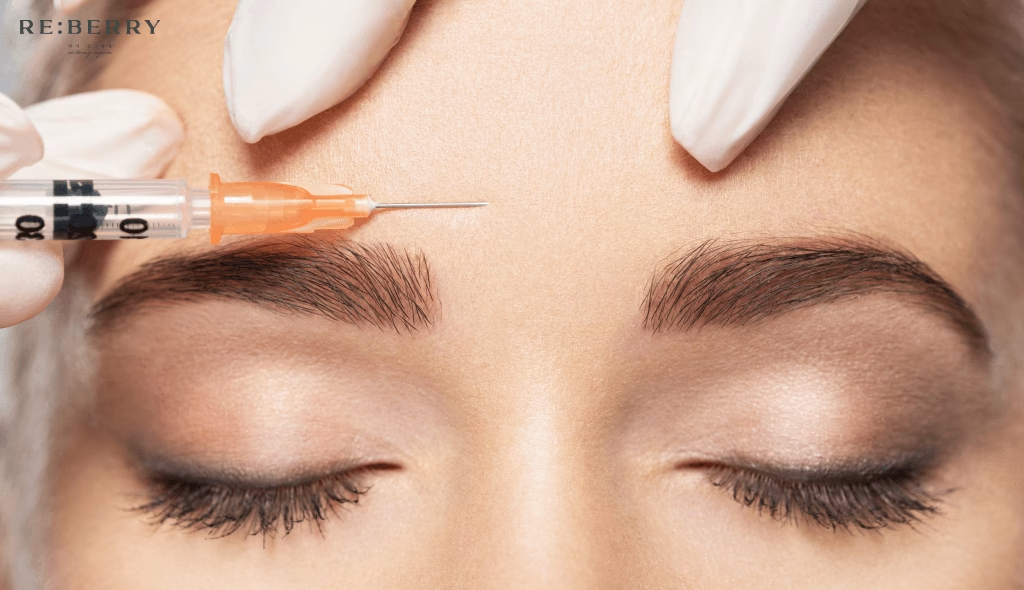
Acne scars often leave a long-lasting or permanent impact after the breakouts have healed, leaving your skin with lumps that make your appearance worse. And among the aesthetics treatments, you might have wondered, does Botox also help with acne scars? Many people assume Botox injections completely fix acne scars because they’ve heard success stories from friends, clinics, or social media. But the truth is a bit more nuanced. In fact, Botox injection is helpful for Acne scars, but not a complete solution.
Botox injection can significantly minimize certain types of acne scars, but its benefits are targeted and not universal. In this article, you will learn how Botox helps to reduce acne scars, how it helps to prevent scar formation earlier and which scar type it treats. Here, you’ll also discover alternative options and combination treatments to make a confident, informed decision about your acne-scar treatment plan.
What is Botox Injection?
Botox injection is a widely used aesthetic treatment made from botulinum toxin type A, a purified neurotoxin that relaxes targeted facial muscles. While it’s best known for softening dynamic wrinkles, Botox also plays a unique role in managing certain acne scars by reducing muscle tension and improving skin healing. When injected in controlled microdoses, it helps minimize stress on the skin, creating an environment where scars can heal more smoothly. This makes Botox a supportive treatment option for individuals seeking minimally invasive solutions for acne scar improvement.
How Does Botox Work For Acne?
Botox works for acne scars by temporarily relaxing the underlying muscles that pull on scar tissue and worsen its appearance. When tension is reduced, raised or indented scars appear smoother and less pronounced. Botox also limits micro-trauma caused by repetitive facial expressions and decreases inflammatory activity that can contribute to abnormal scar formation. Although it does not rebuild lost collagen on its own, Botox optimizes the healing process, making scars respond better to complementary treatments like fillers, lasers, or microneedling.
What Scars Do Botox Injections Treat?
According to the study of the International Journal of Science of Research Archive, Botulinum toxin has shown promise in the treatment of major kinds of Acne scars: Hypertrophic, Keloid and certain Atrophic scars.
Hypertrophic and Keloid Scars
Hypertrophic and Keloid scars are formed due to overproduction of collagen during the natural wound healing process. They look like raised, thick, dark reddish or pink lumps that stay over the original place of the wound. While hypertrophic scars remain within the boundary of the wound, Keloid scars expand beyond the wound and invade surrounding healthy skin. They also feel firm to the touch and can be itchy or uncomfortable.
For these scars, Botox is either injected directly into the scar tissue or into the adjacent muscles around the scar. When injected, the botulinum toxin temporarily paralyzes the adjacent muscles by blocking acetylcholine release to reduce the wound tension. This process is called chemoimmobilization.
Besides this, Botox directly reduces the excessive and disordered collagen synthesis and deposition that characterize abnormal scarring. It lessens the wound tension on the healing wound and inhibits the release of inflammatory neuropeptides to optimize the overall healing for better collagen optimization.
Atrophic Scars
Atrophic scars are formed when the skin’s healing process becomes imbalanced after inflammation or injury, leaving depressions, pits, or sunken areas on the skin. Botox does not directly fill or rebuild lost volume in these scars; instead, it works as an adjunctive treatment that helps improve their overall appearance. By relaxing the muscles around the scar, Botox reduces tension and prevents repetitive facial movements that can make atrophic depressions look deeper or more noticeable.
This reduction in muscle pull also helps minimize puckering and allows the scarred skin to appear smoother and more even. Botox further enhances results when combined with treatments like dermal fillers, microneedling, or laser resurfacing, creating a more stable environment for skin remodeling. While it does not replace volume like soft-tissue fillers, botulinum toxin supports better healing and helps atrophic scars blend more naturally with the surrounding skin.
Can Botox Prevent the Formation of Acne Scars Earlier?
Yes, Botox helps to prevent acne scars from forming, especially during active breakouts or in individuals prone to developing deep, long-lasting marks. When botulinum is injected into areas experiencing inflammation or repetitive muscle movement, it reduces mechanical stress on healing pimples. This process minimizes skin pulling, tension, and micro-tearing that often worsen post-acne marks. By relaxing the underlying muscles, Botox also helps prevent new scars from widening, deepening, or becoming more noticeable.
Additionally, early Botox intervention reduces inflammatory mediators that contribute to abnormal collagen formation. This creates a more controlled healing environment, lowering the risk of hypertrophic, keloid, or pitted scars in acne-prone areas.
Is Botox the Right Choice for Acne Scars?
Botox is a good option for acne scars, but only for specific scar types and treatment goals. It works best for hypertrophic, keloid, and certain atrophic scars that worsen with muscle tension or skin puckering. If your scars deepen when you smile, frown, or raise your eyebrows, Botox may noticeably smooth the area and enhance overall skin texture.
However, Botox is not a standalone cure. It doesn’t rebuild lost volume, resurface the skin, or permanently erase established scars. Instead, it serves as a supportive treatment when combined with fillers, lasers, microneedling, chemical peels, or steroid injections.
The right treatment is always determined after thoroughly assessing your condition. So before opting for any treatment, you should always consult a board-certified doctor.
What are the Alternatives to Botox for Acne Scar Treatment?
If Botox isn’t the ideal option for your acne scars, several highly effective alternatives can target different types of scarring such as dermal fillers, microneedling, laser resurfacing, chemical peels and subcision.
Conclusion
Botox is not a permanent cure for acne scars; however, it significantly reduces certain acne scars. If you’re considering Botox for acne scars, consult a certified dermatologist to receive a personalized plan tailored to your scar type, skin condition, and cosmetic goals, ensuring safe, effective, and natural-looking results.
At Reberry Clinic, our highly skilled and experienced dermatologists follow evidence-based protocols and use FDA-approved botulinum toxin formulations to ensure maximum safety and precision. Each treatment plan is fully personalized according to your scar type, skin anatomy, and aesthetic goals, helping you achieve consistently successful and natural-looking acne scar–reduction results.
Influencers with Reberry
Contact us today to schedule a consultation and take the first step toward revitalizing your face.