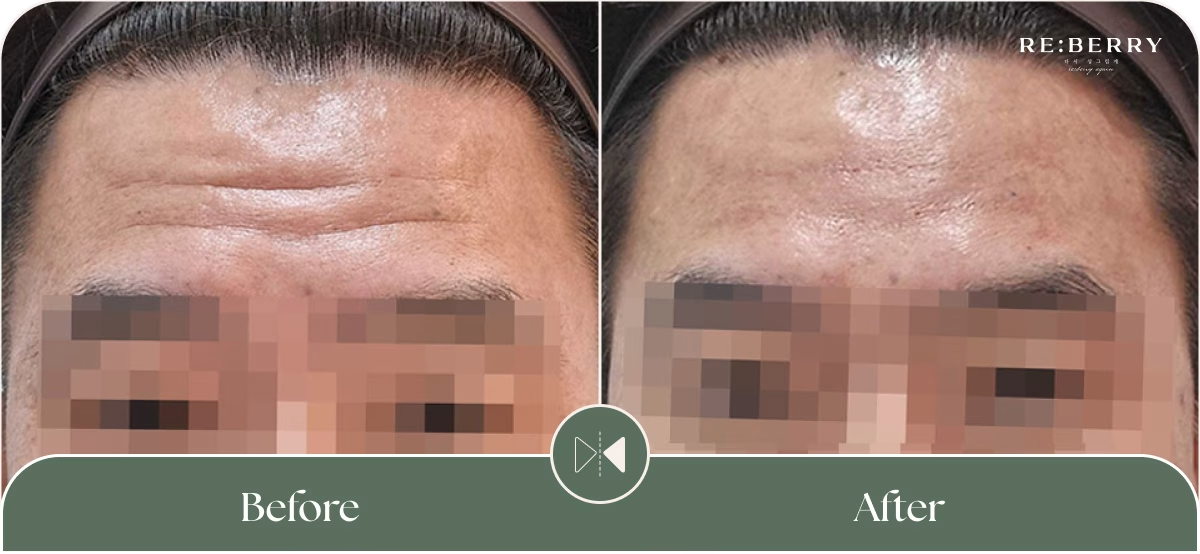
Botox is best known for its cosmetic benefits, but just like any other medical treatments, it can sometimes lead to side effects. While bruising, swelling, and redness are the most common, headaches can also occur after injection. These head pains are generally mild and temporary, but understanding in what cases Botox can cause headaches helps patients stay well-informed about the treatment.
Headaches after Botox can be influenced by several factors, including muscle activity, post-treatment behavior, stress, and a history of migraines. This guide explains why Botox causes headaches, how long they typically last, and what steps can help reduce or manage them effectively. Being informed about these triggers allows patients to follow proper aftercare, take preventive measures, and recognize when professional advice may be necessary.
What Happens to Your Body After a Botox Treatment
After a Botox treatment, the targeted muscles gradually relax as the injections temporarily block nerve signals that cause them to contract. This process smooths out wrinkles and fine lines, particularly on the forehead, eye contour, and glabella. During the first few hours, mild swelling, redness, or bruising at the treated areas is common, and some people may also experience mild headaches.
Over the following days, the treated areas continue to settle, and subtle changes in facial movement may become noticeable as the muscles respond to the treatment. Results start to appear within 3–7 days and continue to improve gradually over the following one to two weeks. During this period, it’s important to follow post-care instructions, such as avoiding strenuous activity, not rubbing the treated areas, and staying upright for a few hours, to ensure the best results and help the effects last longer. The effects of Botox generally last 3–4 months, after which repeat treatments are often needed to maintain results.
How Common Are Botox-Related Head Pain?
Discomfort, such as mild head pain or pressure, is relatively uncommon compared to typical effects like swelling, redness, or tenderness in the treated areas. Research conducted by the National Library of Medicine among 102 adults found that only 13 patients (12.7%) experienced headaches. The research also noted that head pain was more common in first-time patients compared to those who had previously received the treatment.
A patient on RealSelf has also reported that after Botox treatment, he experienced severe headaches and migraines. Head pain may occur in some individuals depending on factors such as the areas treated, the amount of Botox used, and personal sensitivity. They often appear within the first few hours or up to a day after the injections and are generally temporary. In most cases, these headaches do not indicate a serious problem and rarely require medical treatment. Keeping a brief record of when they occur and their intensity can help both you and your practitioner monitor any patterns for future treatments.
Why Headaches May Occur After Botox
Although Botox is generally safe, some individuals may experience mild headaches after the treatment. These are usually temporary and can result from various factors related to the injection process, individual sensitivity, and changes in muscle and nerve activity. Some of the possible reasons for headache after botox are as follows;
Injection Sites and Technique
Certain areas, such as the forehead, glabella, or eye contour, are located near sensitive nerves. If the injections slightly affect these areas or the placement and depth are not precise, it can result in mild pressure or headache.
Muscle Over-Contraction or Forced Movement
After Botox, headaches can be caused by over-contracted facial muscles. Repeated movements, such as raising the eyebrows, squinting, or frowning, can strain the muscles in the treated area. If these muscles were regularly active before the injection, additional activity can result in temporary headaches.
Dosage and Spread of Botox
Using a higher number of Botox units or injecting them into several areas can temporarily affect nearby muscles and nerves. This can lead to mild ache or pressure in the head as the face adjusts to the treatment. Careful dosing and precise planning by an experienced practitioner help minimize this effect.
Individual Sensitivity
Some patients are naturally more prone to headaches after Botox due to their medical history or personal sensitivity. Even when the treatment is performed correctly, they may notice mild headaches.
Stress and Anxiety
Feeling nervous or anxious about receiving Botox injections can sometimes cause mild headaches. This is especially common in first-time patients, as stress and anticipation can increase muscle tension in the forehead and scalp, leading to temporary soreness.
Post-Treatment Factors
Certain activities after Botox treatment can cause pain in the head more likely. Rubbing or pressing the treated areas, lying down too soon, or doing strenuous physical activity may disrupt the facial muscles and nerves. Following post-treatment care instructions, such as avoiding pressure on the injection sites and getting proper rest, can help prevent discomfort.
How Long Do Botox-Related Headaches Last?
Headaches that occur after Botox treatment are generally mild and temporary. They typically last from a few hours to a few days, with most resolving within 24 to 48 hours. But in some rare cases, a mild headache or pressure may persist up to a week as the facial muscles adjust to the treatment.
Since Botox gradually wears off, ongoing treatments are usually needed to maintain the results. If you experience headaches after a Botox injection, it may occur in future sessions, so consulting with a qualified professional is recommended to manage and prevent head-related discomfort. Following post-treatment care instructions can help speed up recovery.
How to Relieve a Headache After Botox
Some patients may experience mild headaches after receiving Botox treatment. To relieve discomfort, resting in a quiet environment and drinking plenty of water can help, as dehydration can worsen head pain. Applying cold or warm compresses to the forehead can also help ease pain due to botox. Gentle movements, including light stretching, short walks, or relaxation exercises, may help release tension in the facial and neck muscles.
Also, it is best to avoid pressing, rubbing, or massaging the treated areas immediately after injections, as this can worsen symptoms. Staying well-rested during the first 24 hours allows the body to adjust to the treatment more comfortably. To help relieve headaches after Botox, a doctor may recommend over-the-counter pain relievers, such as acetaminophen (Tylenol) or ibuprofen (Advil, Motrin). However, it is essential to consult a professional before taking these medications to ensure safe use.
What Are the Other Side Effects of Botox?
Botox is generally considered safe when administered by a qualified professional, but, as with any medical procedure, side effects may still occur. These effects vary depending on the individual, the treated area, and the dosage used. Some of the common side effects patients experience are outlined below.